Incentive travel programmes & what employees actually want
Breaking down how incentive travel programs work, how they motivate employees and build stronger teams.

The workplace has changed. Salaries stay competitive, but retention doesn't. More companies are questioning what employees are chasing, is it always bigger pay checks, or are they now chasing experiences. Incentive travel programs tap into something salary alone can't buy; meaning, connection, recognition and reward.
Companies offering strong incentives reduce turnover by 26% and increase retention by 14%. (Source: The Effect of Incentive Management System on Turnover Rate, Job Satisfaction and Motivation of Medical Laboratory Technologists – PMC)
What are incentive travel programs
Simply put, incentive travel programs are when companies use travel trips or holidays as rewards for staff performance. Employees earn their place on these trips by completing specific objectives, such as:
- Individual sales targets
- Outreach goals
- Marketing objectives
Some companies will have multiple different incentive travel programs for different teams at different levels.
Why incentive travel programs matter to employees right now
With remote work, hybrid workplaces, and increasingly demanding environments, motivating a workforce - especially across countries and global teams- has become harder. Flexible working arrangements make building team cohesion and unifying goals challenging. That's where having an experience to work towards or be rewarded with makes a real difference.
The power of experiences
Employees want more than a pay cheque, and this isn't a workplace-specific shift. It mirrors what people are already doing with their own money.
The "experience economy" started as a post-pandemic rebound, but it's settled into something more permanent. Despite inflation and economic pressure, consumers are cutting back on physical possessions to protect budget for live events, travel and wellbeing.
88% of UK consumers would redirect discretionary spending towards lived experiences, and 71% say those moments matter to them more than ever
The Mastercard spending data backs the sentiment up: the share of consumer spending on experiences has now overtaken discretionary retail.
Brand experiences are becoming a fundamental part of the sales funnel, third spaces are on the rise, and the same shift funnels down into what employees value from an employer. People are choosing what money can buy and increasingly, that's experiences.
Connection matters too
When motivating or retaining a workforce, rewards help, but connection is even better. When teams connect during shared experiences, when leadership can share moments with staff, everyone feels more invested. That translates to longer tenure and stronger retention.
Money vs experience debate
Do employees want more money or do they want more experience? This isn't the first or last time this debate comes about when thinking of rewarding staff and increasing loyalty.
And rightly, both have their benefits. Cash is concrete, easily measurable and useful. It's not something that would be turned down when offered. However, cash also gets absorbed by life. What starts as a reward and recognition quickly falls to the back of the mind. With the cost of living rising, money rewards become swallowed by everyday spending even faster.
Which pushes the case towards experience rewards, and the way they hold their value in memory, photos, conversations and connections. It gives it a trophy value, something that they can turn around and point at: 'I earned that trip because I …' not something that feels owed.
Non-cash reward programmes deliver 3x revenue growth, 18% higher sales productivity and 112% ROI.
Whilst money is the salary, incentives have their place in making efforts feel seen.
How incentive travel fills that gap
A good incentive travel programme builds a culture of performance and achievement. Whether it's a sales team hitting targets or outreach goals, it reinforces what success looks like.
Incentives also offer something money can't replicate, especially for individuals. Exclusive experiences create memories. Anticipation motivates for months before anyone gets on the plane. At Yellow Fish, we once sponsored a horse racing event in Mauritius, giving our guests an owner's experience, from watching the jockeys weigh in to being driven in vintage cars onto the track.
The story capital, the retelling internally, all helps the people who didn't qualify try for the next year. Building something that feels earned rather than handed out.
Results of a good incentive travel programme
We've run incentive travel for 20+ years, with clients returning, recommending and expanding their programmes with us. All because of the results an incredible incentive programme provides.
We took Mazda's Elite Club to India in 2025. The brief was to push top-performing dealers past their sales targets with a reward worth the effort. Qualifying dealers overachieved by more than 20%, pre-trip engagement broke records, and 100% of them turned up. The programme came in 15% under budget and won Best Incentive at the Micebook Awards 2025.
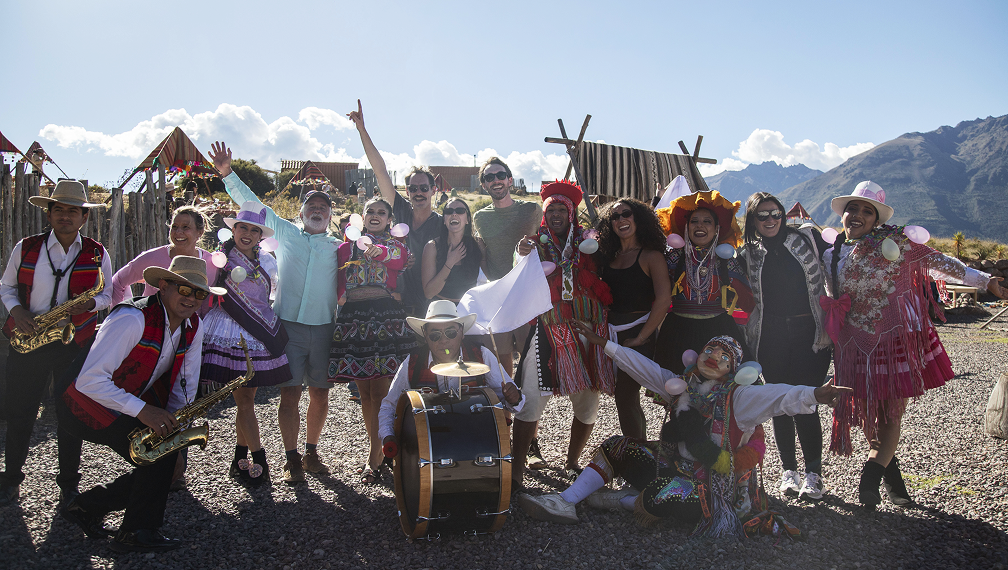
View our case studies on an incentive we ran in India with Mazda and Quadient in Peru to see how these ran and what results they provided.